How often should you replace your pillows?
In short
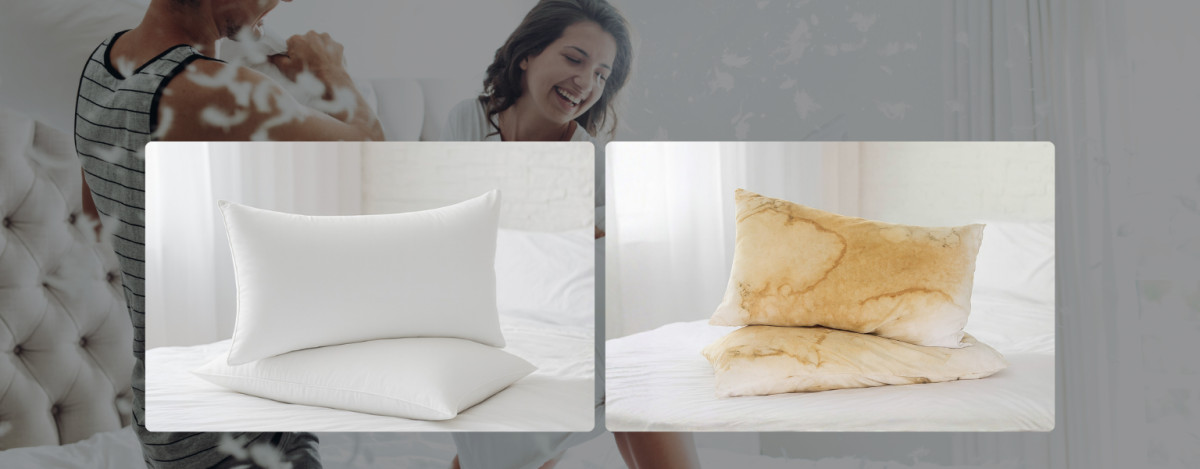
Most experts recommend replacing pillows every 1–2 years: a polyester pillow lasts about a year, a latex one up to 3 years. It is time for a new one if the pillow has gone flat or lumpy, turned yellow or you wake up with neck pain.
Most experts recommend replacing pillows every 1–2 years. That way you sleep on a supportive, clean pillow without allergens. Caring for your pillows properly matters too, so that they last longer.
Usually you will notice yourself when it is time. If you wake up with neck pain or cannot find a comfortable position, the pillow no longer gives enough support. Like mattresses, pillows should be replaced when they go flat or lumpy, turn noticeably yellow or your allergy gets worse at night.
Some materials last longer than others: a polyester pillow lasts about 1 year, a latex pillow up to 3 years. Material quality and foam density matter as well – a better pillow simply lasts longer.
Why do pillows need replacing?
- A pillow collects what you cannot see. Even if it looks clean, sweat, skin oils and dust build up inside.
- Old filling loses its shape. An old pillow no longer supports your head, so morning neck discomfort becomes more frequent.
- Allergens are silent enemies of sleep. Over time dust mites settle in the pillow and can cause sneezing, coughing or puffiness in the morning.
Pillow care
Washing
Wash pillowcases once a week and the pillows themselves every 3–6 months, depending on the type and how much they are used. Polyester and down pillows can usually go in the washing machine on a gentle cycle with a little liquid detergent; down pillows must be dried very thoroughly so that no lumps or mould appear. Memory foam and latex pillows usually cannot be machine-washed – clean them on the surface with a damp cloth and mild detergent. Always follow the manufacturer’s label.
Airing
A pillow absorbs moisture every night. Leave the bed unmade for at least 15–30 minutes in the morning, and once a month air your pillows outdoors, avoiding long direct sunlight. This reduces dust mites and bacteria.
Extra protection
Zipped pillow protectors keep out sweat, dust and allergens and slow down wear of the filling. Fluffing your pillow every day helps it keep its shape and support.